
Sevastopol State University – MBBS Degree from Russia for Indian Students
Every year, hundreds of thousands of Indian students sit the NEET examination dreaming of a career in medicine. A significant proportion of them qualify — yet the number of available MBBS seats in government medical colleges in India is nowhere near enough to accommodate all deserving candidates. Private medical colleges in India, meanwhile, charge fees that range from ₹50 lakh to well over ₹1 crore for the complete MBBS programme — a financial commitment that is simply beyond the reach of most Indian families. It is in this challenging context that Sevastopol State University, Russia, has emerged as one of the most compelling, credible, and cost-effective destinations for Indian students seeking an MBBS degree from Russia.
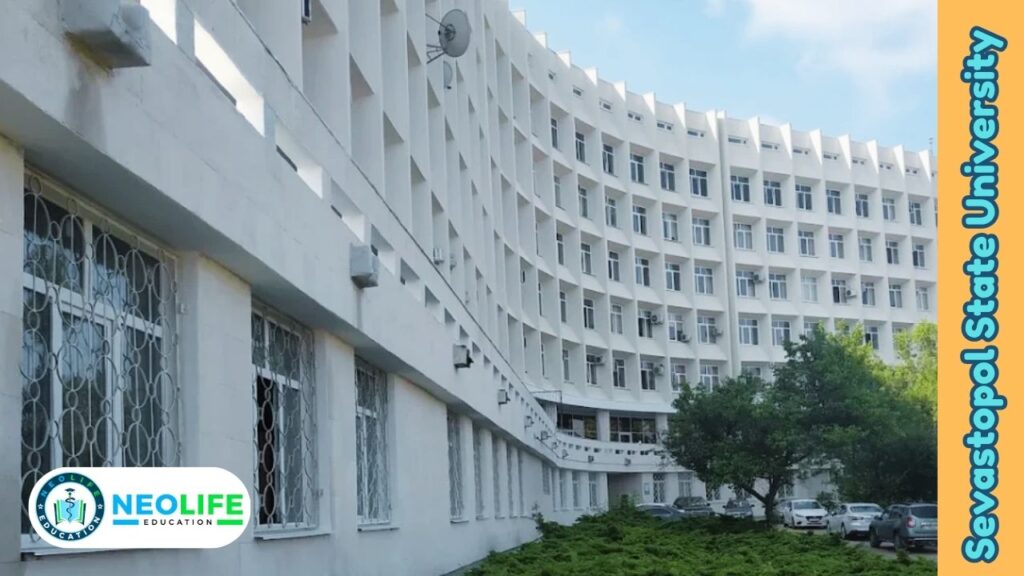
Sevastopol State University — variously referred to as Sevastopol Medical University, Sevastopol Medical College, and SevSU — is a public federal university located in the legendary port city of Sevastopol on the Black Sea coast of Crimea, Russia. Founded originally in 1951 and restructured in 2014 as a comprehensive federal university, SevSU today stands as one of the leading educational and scientific institutions in Southern Russia. With 13 active institutes, over 250 educational programmes, 15 dedicated scientific research centres, 800 scientific workers and academic staff, and a total student population exceeding 15,000, Sevastopol State University is not a niche institution — it is a fully operational, research-active, internationally engaged university of considerable institutional weight.
For Indian students seeking a recognised MBBS degree from Russia, Sevastopol State University offers the essential combination of academic credibility, English-medium instruction, NMC-aligned curriculum, WHO recognition, affordable annual tuition fees of RUB 2,88,000, and a uniquely scenic, safe, and student-friendly city environment on the historic shores of the Black Sea. This guide provides everything you need to understand about SevSU — from fee structures and admission steps to campus infrastructure, city life, clinical training, and career outcomes.
Sevastopol State University – Key Highlights at a Glance
| Key Detail | Information |
|---|---|
| University Name | Sevastopol State University (SevSU) |
| Also Known As | Sevastopol Medical University | Sevastopol Medical College |
| Year Founded | 1951 (original) | Restructured 2014 as Federal University |
| Type | Public Federal University – Russian Federation |
| Location | Sevastopol, Crimea, Russia (Black Sea coast) |
| Address | Ulitsa Universitetskaya 33, Sevastopol, Russia |
| Rector | Dr. Nechaev Vladimir Dmitrievich, Doctor of Political Sciences |
| MBBS Duration | 6 Years (including 1-Year Mandatory Internship) |
| Medium of Instruction | English (full programme for international students) |
| Annual Tuition Fee | RUB 2,88,000 per year |
| Annual Hostel Fee | RUB 85,000 per year |
| Recognition | WHO listed | NMC-aligned curriculum | Russian Ministry of Education |
| Total Students | 15,000+ |
| Institutes | 13 Institutes |
| Educational Programmes | 250+ programmes across disciplines |
| Scientific Centres | 15 dedicated research centres |
| Hospital Affiliations | 12+ government hospitals and multi-specialty clinics |
| Intake Season | September (annual) |
Why Choose Sevastopol State University for MBBS in Russia?
There is no shortage of universities in Russia offering medical programmes to international students. What sets Sevastopol State University apart is not any single factor but the convergence of several distinct and verifiable advantages — each of which matters deeply to Indian students and their families.
1. WHO Recognition and NMC-Aligned Curriculum
For Indian students, any medical degree earned abroad is only as valuable as its recognition by the regulatory bodies that govern medical practice in India. Sevastopol State University is listed by the World Health Organization (WHO) and is included in the World Directory of Medical Schools. Its MBBS curriculum is specifically designed and aligned to meet the requirements of the National Medical Commission (NMC) of India, which governs the FMGE/NExT screening examination that all Indian students who study MBBS abroad must clear to practise medicine in India. This dual compliance — with WHO’s global standards and NMC’s Indian-specific requirements — means that a degree from Sevastopol Medical University is not merely a Russian credential; it is an internationally portable qualification that opens doors in India, the Gulf, and beyond.
2. Full English-Medium MBBS – No Language Barrier
Sevastopol State University has been delivering medical education in English for international students since its earliest days of internationalisation. The entire MBBS programme for Indian and other international students is conducted in English — lectures, practical classes, laboratory sessions, clinical tutorials, and examinations are all in English. Students additionally receive structured Medical Russian language training, which equips them for effective clinical communication during hospital rotations. This dual-language learning environment is one of the genuine practical advantages of studying at Sevastopol Medical University: Indian students can focus entirely on mastering medical knowledge from day one, without the frustration and cognitive load of studying in an unfamiliar language.
3. One of the Most Affordable MBBS Degrees from Russia
Sevastopol State University fees represent an exceptionally strong value proposition for Indian students. With an annual tuition fee of RUB 2,88,000 and a hostel fee of RUB 85,000 per year, the total six-year investment including accommodation is approximately RUB 22,38,000. When converted to Indian rupees at prevailing exchange rates, this figure is a fraction of what any comparable private medical college in India would charge for the same degree — without the same level of international exposure, research culture, clinical training diversity, or global recognition. For Indian families who want genuine, quality medical education for their children without financial devastation, Sevastopol State University offers one of the most sensible financial pathways in the global MBBS landscape.
4. Early and Extensive Clinical Exposure
One of the most frequently cited weaknesses of medical education in some foreign universities is insufficient clinical exposure — students spending too many years in theoretical classrooms before they ever see a real patient. Sevastopol State University has deliberately designed its MBBS programme to avoid this trap. The university maintains affiliations with over 12 leading government hospitals and multi-specialty clinics across Sevastopol. Clinical rotations begin early in the programme, allowing students to work under the supervision of experienced doctors and build genuine diagnostic and patient management skills in real clinical environments — not just simulation labs. This early clinical immersion is one of the most important factors determining FMGE/NExT success rates for graduates of any foreign medical university.
5. Modern Infrastructure and Scientific Research Environment
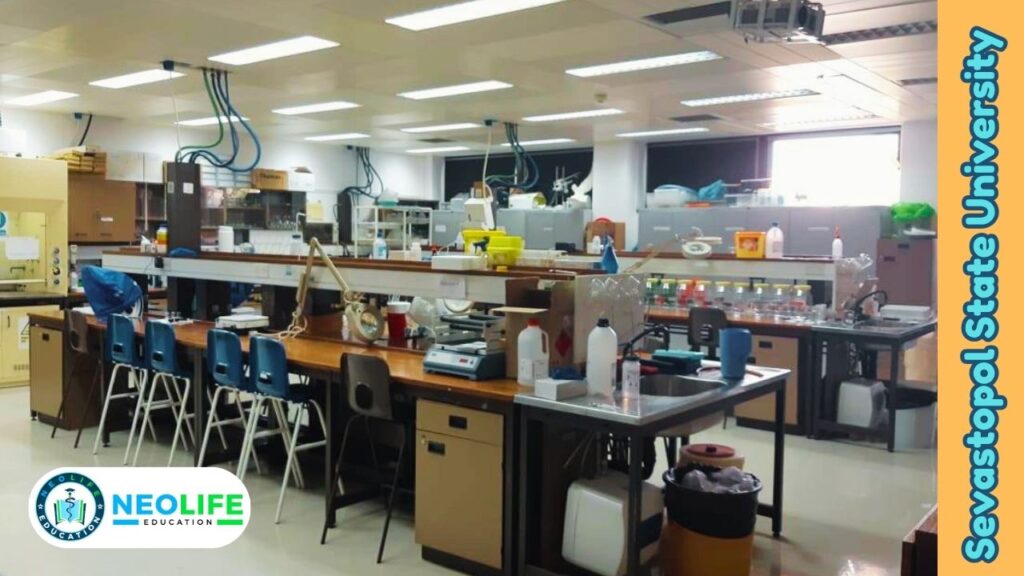
Sevastopol State University has invested substantially in building a campus infrastructure that supports high-quality medical education. The university’s 13 institutes collectively operate purpose-built anatomical laboratories, high-technology simulation centres, computer labs, a comprehensive library, and 15 dedicated scientific research centres. The simulation centre allows students to practise complex clinical procedures — including surgical techniques and emergency interventions — in a controlled, risk-free environment before encountering them in real hospital settings. This combination of modern educational technology and research-active faculty creates an academic environment that genuinely prepares students for the rigours of professional medical practice.
6. Diverse Academic Programmes Beyond MBBS
While MBBS (General Medicine) is the primary focus for Indian students, Sevastopol State University offers a much broader academic ecosystem. The university provides programmes in Paediatrics, Dentistry (BDS), Pharmacy, Nursing, Veterinary Medicine, and a range of postgraduate pathways including MD, clinical residency, and postgraduate internship certificates. This breadth of offering means that Indian students who arrive at SevSU as MBBS aspirants are studying in a rich, multi-disciplinary academic environment that enriches their own medical education through cross-disciplinary exposure and a diverse intellectual campus community.
Sevastopol State University Fees – Complete Fee Structure for Indian Students 2025-26
Before committing to any foreign medical university, Indian students and their parents need a clear, honest, and complete understanding of the financial commitment involved. Here is the full, transparent fee breakdown for MBBS at Sevastopol State University Russia.
Annual Fee Structure at Sevastopol State University
| Fee Component | Annual Amount (RUB) | Indicative INR* |
|---|---|---|
| Tuition Fee – MBBS / General Medicine | RUB 2,88,000 | ~₹2.88 Lakhs |
| Hostel / Dormitory Accommodation | RUB 85,000 | ~₹85,000 |
| Total Annual Cost (Tuition + Hostel) | RUB 3,73,000 | ~₹3.73 Lakhs |
*INR amounts are indicative, based on approximate exchange rates. Actual INR values will vary with the prevailing RUB–INR exchange rate at the time of payment. Students and families should check current rates with their bank or forex provider before planning finances.
Year-Wise 6-Year Total Fee Projection – MBBS at Sevastopol State University
| Year | Tuition Fee (RUB) | Hostel Fee (RUB) | Annual Total (RUB) | Cumulative Total (RUB) |
|---|---|---|---|---|
| Year 1 | 2,88,000 | 85,000 | 3,73,000 | 3,73,000 |
| Year 2 | 2,88,000 | 85,000 | 3,73,000 | 7,46,000 |
| Year 3 | 2,88,000 | 85,000 | 3,73,000 | 11,19,000 |
| Year 4 | 2,88,000 | 85,000 | 3,73,000 | 14,92,000 |
| Year 5 | 2,88,000 | 85,000 | 3,73,000 | 18,65,000 |
| Year 6 | 2,88,000 | 85,000 | 3,73,000 | 22,38,000 |
| 6-Year TOTAL | 17,28,000 | 5,10,000 | 22,38,000 | 22,38,000 |
Additional Living Expenses to Budget For
Beyond tuition and hostel fees, Indian students studying at Sevastopol State University should plan for the following approximate additional expenses:
- Food and groceries: RUB 10,000 – 18,000 per month (Indian-friendly grocery items are available in Sevastopol’s supermarkets and local markets)
- Personal expenses, local transport, and leisure: RUB 4,000 – 8,000 per month
- Medical insurance (mandatory for student visa): RUB 5,000 – 8,000 per year
- Study materials, books, and stationery: RUB 5,000 – 8,000 per year
- One-time visa and immigration documentation fees: approximately RUB 8,000 – 15,000
- Return airfare India–Sevastopol (via Moscow or other hub): approximately ₹25,000 – ₹55,000 per trip
Even with all living costs accounted for, the total annual expenditure at Sevastopol State University Russia remains dramatically lower than any comparable private MBBS option in India. This financial reality is one of the primary reasons that Sevastopol Medical University continues to attract a growing number of serious, NEET-qualified Indian students each year.
MBBS at Sevastopol State University – Programme Structure and Curriculum
The MBBS (General Medicine) programme at Sevastopol State University is a 6-year integrated course delivered entirely in English for international students, with an additional mandatory 1-year clinical internship upon completion. The programme is structured to build medical knowledge and clinical competence in a carefully sequenced progression — from biomedical science foundations in the early years to intensive clinical specialisation and patient-facing practice in the final years.
Year-Wise MBBS Curriculum at Sevastopol Medical University
| Year | Core Subjects and Training Focus |
|---|---|
| Year 1 | Human Anatomy, Medical Biology, Histology & Embryology, Biochemistry, Medical Latin, Medical Russian Language (Foundation) |
| Year 2 | Normal Physiology, Advanced Biochemistry, Microbiology & Virology, Pathological Anatomy, Introduction to Clinical Medicine |
| Year 3 | Pathophysiology, Pharmacology, Propedeutics of Internal Medicine, General Surgical Diseases, Hygiene & Epidemiology, Medical Russian (Clinical) |
| Year 4 | Internal Medicine, General Surgery, Obstetrics & Gynaecology, Neurology, ENT Diseases, Ophthalmology, Dermatovenereology, Psychiatry |
| Year 5 | Advanced Clinical Rotations – Internal Medicine, Surgical Diseases, Paediatrics, Infectious Diseases, Oncology, Emergency & Critical Care Medicine |
| Year 6 | Polyclinic Therapy, Polyclinic Surgery, Medical Rehabilitation, Anaesthesiology, Elective Specialties, State Final Examination (OSCE + Written) |
| Internship (Year 7) | Mandatory 1-Year Clinical Internship in Internal Medicine, Surgery, Paediatrics, or other chosen specialty in affiliated hospitals |
The curriculum at Sevastopol State University is designed not merely to meet Russian federal education standards but to directly prepare students for FMGE/NExT and other international medical licensing examinations. The subject coverage across all six years maps closely to the clinical knowledge domains tested in these examinations, including Internal Medicine, Surgery, Obstetrics and Gynaecology, Paediatrics, Preventive and Social Medicine, Psychiatry, and all major clinical specialties.
Clinical teaching is delivered through the university’s network of 12+ affiliated government hospitals and specialty clinics in Sevastopol. From Year 3 onwards, students are placed in real hospital environments under the direct supervision of practising consultant physicians and surgeons. This early, sustained clinical exposure is what distinguishes SevSU graduates in terms of practical preparedness when they return to India to sit FMGE/NExT.
Recognition and Accreditation of Sevastopol State University
For Indian students, the question of recognition is not a bureaucratic formality — it is the single most important factor that determines whether six years of hard study and significant family investment will result in a valid medical career. Here is the complete recognition status of Sevastopol State University:
| Body / Framework | Recognition / Status |
|---|---|
| World Health Organization (WHO) | ✅ Listed in World Directory of Medical Schools |
| National Medical Commission (NMC) – India | ✅ NMC-Aligned Curriculum – FMGE/NExT Eligible |
| Ministry of Education and Science, Russia | ✅ Fully State-Accredited Federal University |
| ECFMG (USA) | ✅ Eligible for USMLE pathway |
| Gulf Medical Councils (UAE, Saudi Arabia, Qatar) | ✅ Degree accepted subject to local licensing examination |
| PLAB (UK) | ✅ Eligible pathway subject to GMC requirements |
This recognition framework means Indian graduates of Sevastopol State University hold a degree that gives them the legal and academic standing to appear for FMGE/NExT in India, pursue postgraduate medical studies internationally, practise in Gulf countries after local licensing examinations, and explore USMLE or PLAB pathways for careers in the USA or UK respectively. A degree from Russia’s Sevastopol Medical University is not a limited or regionally confined credential — it is a globally transportable qualification.
About Sevastopol – Your New Home on the Black Sea
The city of Sevastopol is not simply the backdrop to your medical education at SevSU — it is an active, enriching, and genuinely beautiful dimension of the student experience. For Indian students considering MBBS in Russia, understanding the city of Sevastopol is as important as understanding the university itself, because where you live for six years profoundly shapes who you become.
Sevastopol – City Overview
Sevastopol is one of the most historically significant and visually stunning cities in all of Russia. Located on the south-western tip of Crimea on the shores of the Black Sea, Sevastopol has been a storied naval port since the 18th century and was designated a city of Russian federal significance — a status shared only with Moscow and St. Petersburg — reflecting its enormous historical, cultural, and strategic importance. The city’s position on the Black Sea gives it a mild, Mediterranean-influenced climate that is dramatically different from the harsh Russian winters experienced in cities like Moscow or Kazan — a factor that many Indian students find particularly welcome and comfortable.
Safety in Sevastopol for Indian Students
Safety is one of the first questions Indian parents ask about any city their child will be living in abroad. Sevastopol is a city with a strong community identity, a well-maintained civic order, and consistently low violent crime rates. The university campus at Ulitsa Universitetskaya operates 24-hour security with CCTV coverage. The broader city is policed effectively and is considered safe for students from any background. Indian students at Sevastopol State University consistently report feeling safe both on campus and in the wider city, including during evening outings and weekend exploration. The city’s naval heritage and its status as a federal city mean that it receives above-average public infrastructure investment and civic management.
Climate and Environment
Sevastopol enjoys a warm, semi-arid climate influenced by the Black Sea. Summers are warm and sunny, with temperatures regularly reaching 25–30°C — conditions that feel genuinely pleasant to most Indian students. Winters are mild by Russian standards: temperatures rarely drop below -5°C, and snowfall, while occasional, is not the brutal extended winter that cities in central and northern Russia experience. This mild Black Sea climate is one of the most practically significant lifestyle advantages of studying at Sevastopol Medical University compared to other Russian university cities.
Cultural Life and Student Activities in Sevastopol
Sevastopol is a city of extraordinary historical depth and cultural richness. The city’s numerous museums — including the Panorama Museum, Chersonesus Ancient City (a UNESCO World Heritage Site), and the Museum of the Black Sea Fleet — offer Indian students genuine cultural engagement beyond academic life. The city has a well-developed arts scene, with theatres, galleries, music venues, and annual festivals that make Sevastopol feel alive and culturally vibrant throughout the year. The Black Sea coastline itself — with its beaches, promenades, and scenic bays — provides a recreational backdrop that is unique among all Russian university cities and deeply appreciated by Indian students accustomed to coastal environments.
Indian Community and Food Availability
A growing Indian student community at Sevastopol State University has established social networks, cultural celebration groups, and practical support systems for newly arriving students from India. Indian grocery items — including rice, lentils, spices, and cooking staples — are increasingly available in Sevastopol’s supermarkets and local markets. Many Indian students at SevSU cook their own food in hostel kitchens, and communal cooking events — particularly around Diwali, Holi, and other major Indian festivals — have become a regular feature of Indian student social life in Sevastopol. The city also has restaurants serving diverse international cuisines, and halal food options are available given Sevastopol’s multicultural population.
Campus Infrastructure at Sevastopol State University
Sevastopol State University has made sustained, deliberate investments in building a campus that supports high-quality medical and scientific education. The university’s infrastructure spans multiple buildings, institutes, and facilities — all designed to provide students with the physical environment they need to learn, research, and develop professionally.
Academic Buildings and Teaching Spaces
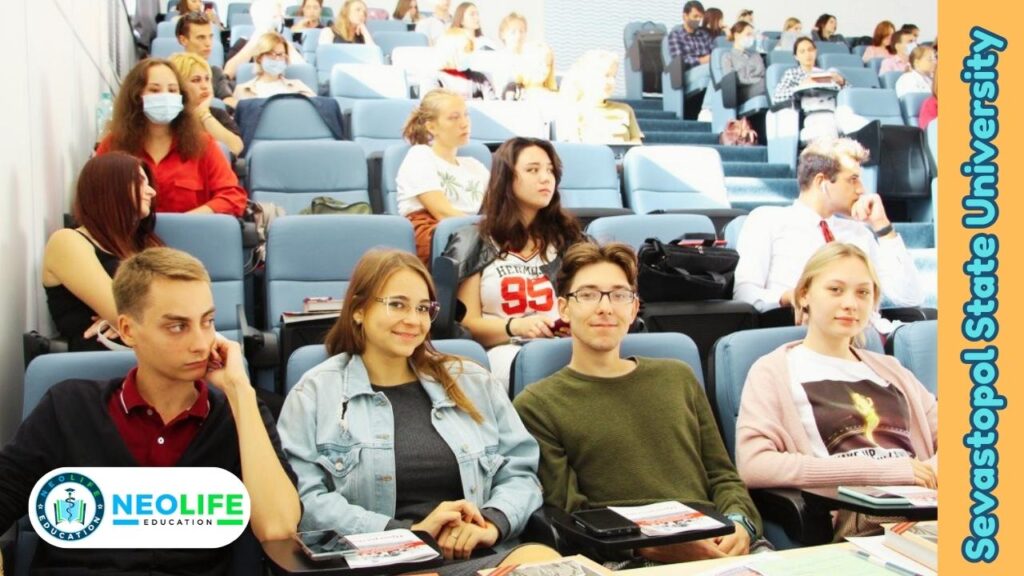
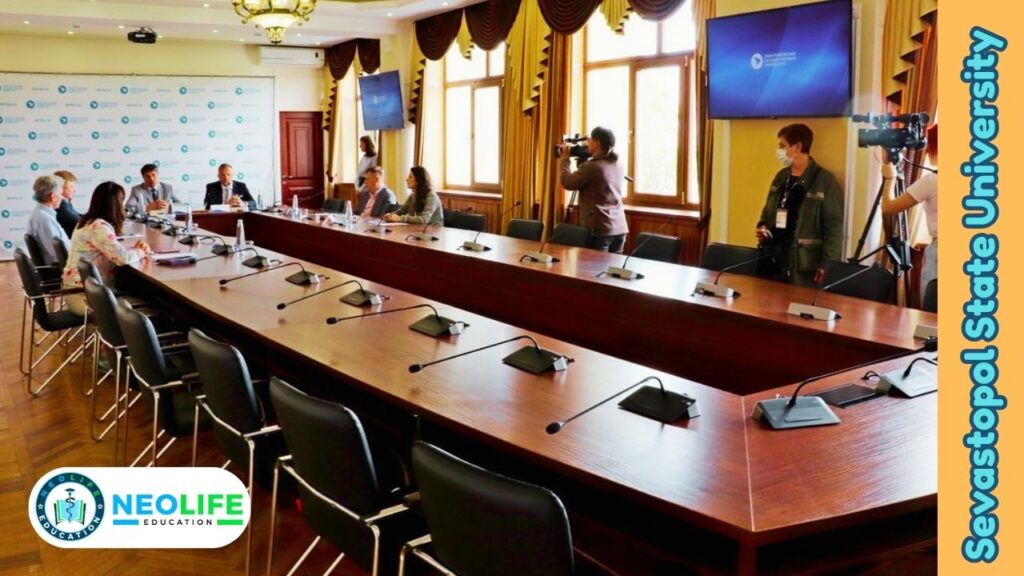
SevSU’s 13 institutes operate across a network of dedicated academic buildings equipped with modern lecture theatres, seminar rooms, small-group teaching spaces, and faculty offices. Classrooms are equipped with audiovisual technology, digital presentation systems, and learning management platforms that enable modern blended-learning approaches. The academic infrastructure at Sevastopol Medical University is built to support both large-cohort didactic teaching and the intimate small-group tutorials that are essential for clinical training effectiveness.
Anatomical Laboratories
The university operates bespoke, fully equipped anatomical laboratories — dedicated spaces for gross anatomy study, histology, pathological anatomy, and related disciplines that form the bedrock of any quality medical education. These laboratories are maintained to appropriate standards, equipped with modern instruments, and supported by experienced demonstrators and faculty members who guide students through the fundamentally important practical work of understanding human structure and disease at a cellular and organ level.
Medical Simulation Centre
Sevastopol State University’s high-technology medical simulation centre is one of its most significant infrastructure investments in recent years. This facility houses advanced patient simulators, clinical scenario software, procedure training models, and emergency medicine simulation equipment. Students can practise complex clinical procedures — including intubation, central line placement, surgical techniques, and resuscitation protocols — in a safe, controlled environment before they encounter equivalent situations in real hospital settings. Simulation training is globally recognised as one of the most effective tools for developing clinical competence safely, and SevSU’s investment in this infrastructure reflects its commitment to producing practice-ready graduates.
Library and Digital Learning Resources
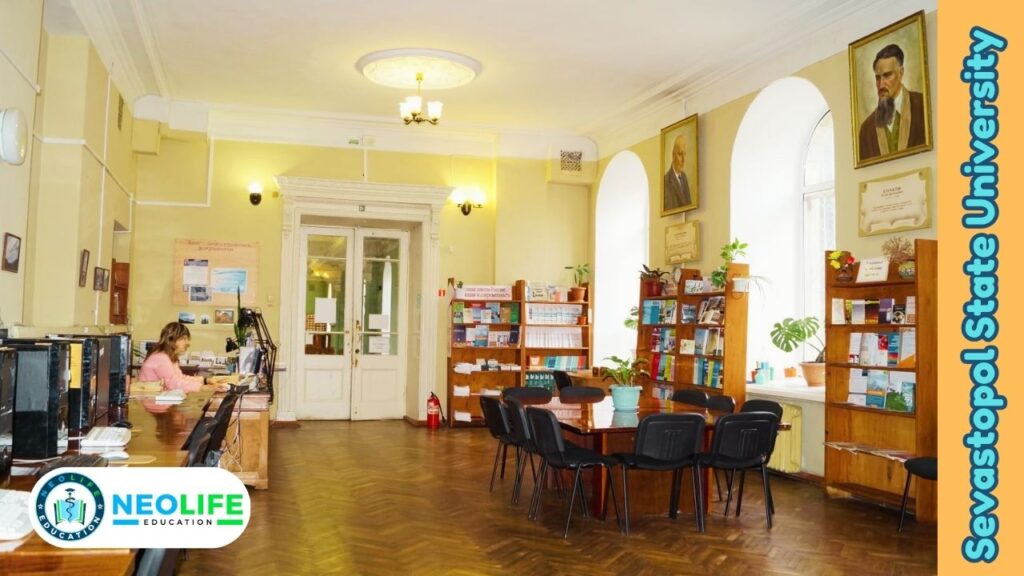
The university library at Sevastopol State University holds an extensive collection of medical and scientific texts, journals, reference works, and multimedia learning materials. Students also have access to digital databases and online academic resources that complement the physical library collection. These resources are particularly valuable for FMGE/NExT preparation, as students can access reference materials aligned to the Indian medical licensing examination syllabus throughout their studies.
Scientific Research Centres
Sevastopol State University operates 15 dedicated scientific research centres spanning a range of medical and biological disciplines. These centres conduct active research in areas including pharmacology, oncology, epidemiology, surgical innovation, and public health. While undergraduate MBBS students are primarily focused on their core curriculum, the presence of an active research culture at SevSU directly enriches the academic environment, brings practising researchers into the teaching faculty, and provides opportunities for academically motivated students to engage in research activities alongside their studies.
Hostel and Accommodation at Sevastopol State University
Accommodation quality is one of the practical concerns that most directly affects an Indian student’s daily wellbeing and academic performance while studying MBBS in Russia. Sevastopol State University provides secure, well-maintained hostel accommodation for all international students.
Sevastopol State University Hostel – Key Features
- Annual hostel fee: RUB 85,000 – comprehensive, inclusive, and transparently structured
- Hostel buildings are located on or adjacent to the main university campus, eliminating the need for long daily commutes
- Separate accommodation blocks for male and female students with appropriate security and privacy protocols
- Furnished rooms with beds, wardrobes, study desks, chairs, and adequate personal storage
- Shared kitchen facilities on each floor allow students to cook their own meals, including Indian food
- 24-hour security personnel and CCTV surveillance systems at all hostel premises
- High-speed Wi-Fi internet connectivity throughout hostel buildings
- Regular housekeeping and facility maintenance ensures clean, functional common areas
- A resident medical advisor is available at the hostel for basic health consultations
- Common areas for socialising, group study, and student community activities
The hostel environment at Sevastopol State University is typically described by Indian students as safe, community-oriented, and significantly more comfortable than many had anticipated. Sharing accommodation with fellow Indian students — and students from other countries — builds lasting friendships, collaborative study habits, and a supportive community that helps students navigate the challenges of studying medicine far from home.
Admission Process for MBBS at Sevastopol State University – Indian Students
The admission process for Indian students applying to Sevastopol State University for MBBS is designed to be transparent and structured. There is no separate university entrance examination for international admissions — eligibility is determined by academic qualifications and NEET score.
Eligibility Criteria for MBBS at Sevastopol Medical University
- Age: Minimum 17 years as of 31st December of the admission year
- Academic Qualification: Completion of 10+2 (Class XII) with Physics, Chemistry, Biology, and English as core subjects
- Minimum Marks: 50% aggregate in PCB for General category; 40% for SC/ST/OBC candidates (as per NMC norms)
- NEET: A valid NEET-UG qualification is mandatory for Indian students seeking MBBS in Russia per NMC Screening Test Regulations
- Medical Fitness: Certificate from a registered medical practitioner confirming fitness for medical study
- Valid Indian Passport: Minimum 18 months validity from anticipated date of travel
Step-by-Step Admission Process at Sevastopol State University
| Step | Action Required | Timeline |
|---|---|---|
| Step 1 | Complete the university’s online application form with accurate personal and academic details | March – August |
| Step 2 | Upload scanned copies of required documents (mark sheets, NEET scorecard, passport, photographs) | At time of application |
| Step 3 | University verifies credentials and issues official Invitation Letter to eligible candidates | Within 2–3 weeks |
| Step 4 | Apply for Russian student visa at Russian Embassy/Consulate in India using the Invitation Letter | After receiving Invitation Letter |
| Step 5 | Pay first-year tuition and hostel fees to confirm and secure the seat | Before visa application |
| Step 6 | Complete pre-departure preparations: forex, documents, packing, insurance | 2–3 weeks before departure |
| Step 7 | Arrive in Sevastopol and complete migration registration within 7 days | August – September |
| Step 8 | Attend university orientation and commence MBBS programme | September – October |
Documents Required for Sevastopol State University Admission
- Class 10 (SSC) mark sheet and passing certificate – original and attested copy
- Class 12 (HSC) mark sheet with PCB subjects – original and attested copy
- NEET-UG scorecard (valid year, qualifying score as per NMC norms)
- Valid Indian passport – original (minimum 18 months validity from travel date)
- Passport-size photographs – 8 to 12 copies in specified dimensions
- Medical fitness certificate from a registered medical practitioner
- HIV test result (negative) from a certified diagnostic laboratory
- Birth certificate (proof of date of birth)
- Completed and signed application/admission form
- Bank statement or financial guarantee letter (demonstrating ability to fund education and living costs)
- Police clearance certificate (required in certain visa application scenarios)
Documents in regional Indian languages must be translated into English by a certified translator and attested by the Ministry of External Affairs (MEA) before submission. Students are strongly advised to prepare complete, properly attested document sets well ahead of application deadlines.
FMGE and NExT Preparation – How Sevastopol Medical University Prepares Indian Students
The FMGE (Foreign Medical Graduate Examination) — now transitioning to the NExT (National Exit Test) — is the mandatory gateway through which all Indian students who earn an MBBS degree from Russia or any other foreign country must pass in order to practise medicine in India. The national FMGE pass rate across all foreign graduates has historically been below 20%, which underscores the critical importance of choosing a university whose curriculum genuinely prepares students for this examination.
Sevastopol State University’s MBBS curriculum is specifically designed and aligned with NMC requirements in a way that directly prepares students for FMGE/NExT success. Several concrete programme features at Sevastopol Medical University contribute to this:
- The English-medium curriculum ensures students are fully comfortable with the medical vocabulary, concepts, and clinical reasoning frameworks tested in FMGE/NExT question papers
- Early clinical exposure from Year 3 through 12+ affiliated hospitals builds the applied diagnostic reasoning that FMGE/NExT tests — not just factual recall but clinical judgment
- Subject coverage across Internal Medicine, Surgery, Obstetrics, Paediatrics, Preventive Medicine, Psychiatry, ENT, Ophthalmology, Dermatology, and all major specialties mirrors the FMGE/NExT examination structure exactly
- The mandatory 1-year post-degree internship provides essential clinical consolidation before students return to India and sit FMGE/NExT — significantly strengthening subject retention and practical confidence
- Indian student networks at SevSU organise peer study groups, mock examinations, and FMGE preparation circles that provide structured supplementary examination preparation throughout the academic year
Sevastopol State University vs Other Options – How It Compares
| Parameter | Sevastopol State University | Private MBBS College – India | Other Russia Medical Universities |
|---|---|---|---|
| Annual Tuition Fee | RUB 2,88,000 | ₹10–25 Lakhs+ | RUB 3–7 Lakhs (varies) |
| Annual Hostel Fee | RUB 85,000 | ₹1–3 Lakhs | RUB 25,000–1,00,000 |
| 6-Year Total (Tuition + Hostel) | ~RUB 22,38,000 | ₹60–150 Lakhs+ | Varies widely |
| NMC Alignment | Yes – Curriculum aligned | Yes | Varies by university |
| WHO Recognition | Yes – Listed | N/A | Varies by university |
| Medium of Instruction | English (full programme) | English | English / Russian |
| Clinical Affiliations | 12+ hospitals and clinics | Attached teaching hospital | Varies widely |
| City Environment | Black Sea coast – mild, scenic, safe | India | Varies by city |
| FMGE Coaching Support | NMC-aligned curriculum + peer networks | N/A | Varies |
| International Diversity | Students from 39+ countries | Primarily Indian | Varies |
Student Life at Sevastopol State University – What to Expect
Medical education is demanding, and student wellbeing is not an optional add-on — it is an educational priority. Sevastopol State University has built a campus culture that takes the holistic development of its students seriously, providing a rich range of extracurricular, recreational, cultural, and social opportunities alongside the intense demands of the academic programme.
Arts, Culture, and Creativity
The university encourages student participation in arts and culture through student clubs, creative competitions, annual cultural festivals, dance and music groups, and talent showcases. Indian students at SevSU regularly participate in these events, sharing Indian classical dance, music, and folk art with their international peers — creating moments of cultural exchange that enrich the entire university community. The city of Sevastopol itself, with its theatres, galleries, and historical landmarks, extends the cultural environment well beyond the campus.
Sports and Physical Wellbeing
Sevastopol State University provides sports facilities and encourages student participation in a wide range of physical activities. Football, basketball, volleyball, swimming, and athletics are popular among SevSU students. The university’s sports clubs compete in inter-university competitions, and the Black Sea environment — with its beaches, promenades, and outdoor spaces — provides Indian students with unique opportunities for recreation in a genuinely beautiful natural setting. Physical wellbeing is considered an integral part of the education at SevSU, not an afterthought.
International Student Community
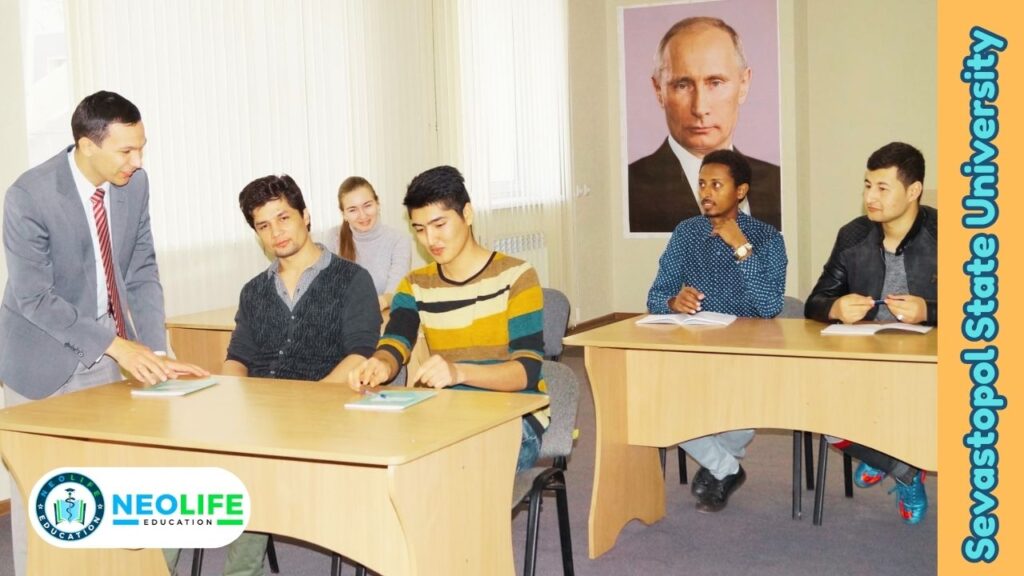
Sevastopol State University hosts students from over 39 countries. This diversity creates a genuinely international learning environment that enriches students academically and personally. Indian students benefit from the peer networks, cultural exchanges, and mutual support that emerge naturally from this multicultural community. The university’s administration has developed specific support systems for international students, including English-speaking administrative staff, migration assistance, and student mentoring programmes that help new arrivals settle in quickly and effectively.
Frequently Asked Questions – MBBS at Sevastopol State University Russia
Q1. What is Sevastopol State University?
Sevastopol State University (SevSU) — also known as Sevastopol Medical University or Sevastopol Medical College — is a public federal university in Sevastopol, Crimea, Russia. Founded in 1951 and restructured in 2014, SevSU offers a WHO-listed, NMC-aligned MBBS programme in English for Indian and international students. The university has 13 institutes, 250+ programmes, 15,000+ students, and 15 scientific research centres.
Q2. What are the fees for MBBS at Sevastopol State University?
The annual tuition fee at Sevastopol State University is RUB 2,88,000 per year. The annual hostel fee is RUB 85,000. The total cost for the complete 6-year MBBS programme including hostel accommodation is approximately RUB 22,38,000. This makes SevSU one of the most affordable options for earning an MBBS degree from Russia.
Q3. Is Sevastopol State University recognised by NMC India?
Sevastopol State University’s MBBS curriculum is aligned with the requirements of the National Medical Commission (NMC) of India, and the university is listed by the World Health Organization (WHO). Indian graduates are eligible to appear for the FMGE/NExT screening examination and practise medicine in India upon qualifying. Students should independently verify current NMC listing status before admission.
Q4. Can I get an MBBS degree from Russia at Sevastopol State University?
Yes. Sevastopol State University offers a 6-year MBBS (General Medicine) programme in English specifically for international students including those from India. Upon successful completion and clearing FMGE/NExT, Indian graduates can practise medicine in India with a degree from this Russia medical university.
Q5. Is Sevastopol a safe city for Indian students?
Yes. Sevastopol is a historically significant, well-maintained Russian federal city with consistently low crime rates and a peaceful civic environment. The university campus has 24-hour security. Indian students at SevSU consistently describe Sevastopol as safe and welcoming. The city’s mild Black Sea climate and scenic coastal environment also make it a particularly pleasant place to live and study.
Q6. What is the MBBS duration at Sevastopol State University?
The MBBS programme at Sevastopol State University Russia is 6 years in duration, including an integrated 1-year mandatory clinical internship. Clinical rotations begin from Year 3 onwards across the university’s 12+ affiliated hospital and clinical partners in Sevastopol.
Q7. Is NEET mandatory for MBBS in Russia at Sevastopol State University?
Yes. Per current NMC of India regulations, all Indian students wishing to pursue MBBS abroad — including at Sevastopol State University Russia — must have a valid NEET-UG qualification. Students who have not qualified NEET are not eligible for admission under Indian regulatory guidelines.
Q8. Is the MBBS programme at Sevastopol Medical University taught in English?
Yes. The full MBBS programme for international students at Sevastopol State University is delivered entirely in English. Students additionally receive Medical Russian language training to support their clinical communication during hospital rotations.
Q9. What hostel facilities are available at Sevastopol State University?
SevSU provides secure dormitory accommodation at an annual fee of RUB 85,000. Hostels are located on or near the main campus and include furnished rooms, shared kitchen facilities, 24-hour security, Wi-Fi, regular maintenance, and common social spaces. Separate blocks are provided for male and female students.
Q10. Why is Sevastopol State University a top choice for an MBBS degree from Russia?
Sevastopol State University stands out among Russia medical universities for Indian students due to its combination of WHO recognition, NMC-aligned curriculum, English-medium teaching, early clinical exposure across 12+ hospitals, modern simulation infrastructure, genuinely affordable fees (RUB 2,88,000 annual tuition), a safe and scenic Black Sea city environment, and a supportive multicultural student community — all within a public federal university of considerable academic standing.
Take the First Step Towards Your MBBS Degree from Russia
If you are a NEET-qualified Indian student who is serious about becoming a doctor — and is looking for a globally recognised, affordable, English-medium medical education in a safe and beautiful city — Sevastopol State University, Russia, deserves your serious consideration. With annual tuition fees of just RUB 2,88,000, hostel fees of RUB 85,000, WHO recognition, NMC-aligned curriculum, early clinical exposure across 12+ hospitals, modern simulation facilities, and a mild Black Sea climate in one of Russia’s most historically and culturally rich cities, SevSU offers a combination that is genuinely difficult to match.
Do not navigate this decision alone. Contact our expert overseas education counsellors today for a free, no-obligation consultation. We will evaluate your NEET score and academic profile, guide you through all documentation and visa requirements, and ensure you arrive in Sevastopol fully informed and completely prepared.