
Tver State Medical University – MBBS in Russia for Indian Students
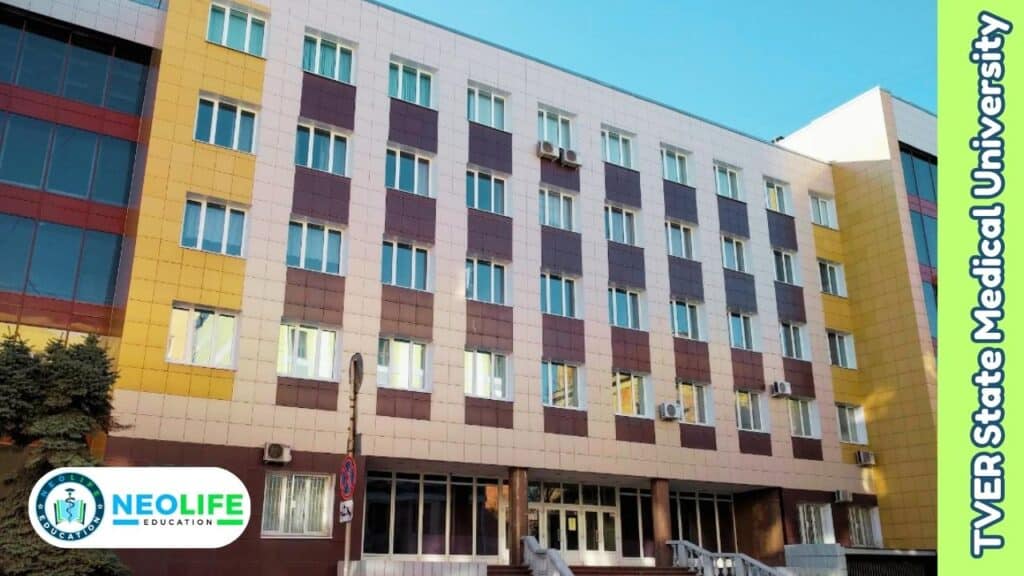
For every Indian student who qualifies NEET but finds the path to a government MBBS seat blocked by competition, and a private medical college seat blocked by costs that can reach ₹1 crore, the question becomes not whether to pursue medicine, but where to pursue it without compromising quality, recognition, or financial sanity. The answer, for a growing number of India’s best medical aspirants, is Russia — and within Russia, few institutions combine legacy, quality, recognition, clinical infrastructure, and value as compellingly as Tver State Medical University.
Tver State Medical University — known in short as TSMU or TverSMU, and sometimes referred to simply as Tver State University — is one of Russia’s oldest, most decorated, and most internationally recognised medical institutions. Founded in 1902 and established as a full medical university in 1954, TSMU has over 120 years of continuous medical education experience. It was also the first university in Russia to introduce MBBS teaching in English medium — a historic distinction that reflects its long-standing orientation towards serving international students, and particularly Indian students, with genuine institutional commitment. Today, TSMU is home to 5,000+ students from over 57 countries, operates 56 departments and 10 affiliated hospitals with 6,000 beds, employs 400+ qualified faculty members, and has produced 14,685+ doctors and 8,572+ dentists who practise medicine across the world.
With an annual MBBS tuition fee of 4,30,000 RUB, an annual hostel fee of 80,000 RUB, full recognition by the NMC of India, WHO, ECFMG, FAIMER, and WDOMS, and a track record of above-average FMGE success rates for its Indian graduates, Tver State Medical University is not simply another option for MBBS in Russia — it is one of the most validated, comprehensive, and career-proven choices in the entire Russian medical education landscape. This guide covers everything you need to know to make a fully informed decision.
Tver State Medical University – Key Facts at a Glance
| Detail | Information |
|---|---|
| Official Name | Tver State Medical University (TSMU / TverSMU) |
| Commonly Known As | Tver State University | Tver Medical University |
| Established | 1902 (Originally as Dental Medical Institute) |
| Recognised as Medical University | 1954 |
| Type | Public Government University – Russian Federation |
| Location | Tver, Tver Oblast, Russia (170 km from Moscow) |
| Address | Sovetskaya Street 4, 170100, Tver, Russia |
| No. of Departments | 56 departments across all medical disciplines |
| Faculty | 400+ highly qualified teachers and professors |
| Total Students | 5,000+ (from 57+ countries) |
| Affiliated Hospitals | 10 hospitals with 6,000 total bed capacity |
| Degree Awarded | MD / General Medicine (MBBS equivalent) |
| MBBS Duration | 6 Years (5 academic + 1 mandatory internship) |
| Medium of Instruction | English (full programme for international students) |
| Annual Tuition Fee | 4,30,000 RUB per year |
| Annual Hostel Fee | 80,000 RUB per year |
| Total 6-Year Cost (Tuition + Hostel) | 30,60,000 RUB |
| Recognition | NMC (India), WHO, ECFMG, FAIMER, WDOMS, Russian Min. of Health & Education |
| National Ranking (Russia) | Top 50 Medical Universities | No. 1 in Tver Region |
| Awards | Prestigious Nations Friendship National Award for International Education |
| Courses Offered | MBBS, BDS, BSN, MD, MS, Pharmacy, Paramedical |
| Application Opens | May 1 each year | Closes July 18 |
| Intake | September (Primary) | February (Secondary) |
Why Choose Tver State Medical University for MBBS in Russia?
Among the dozens of NMC-recognised Russian medical universities available to Indian students, Tver State Medical University consistently stands at the top of serious shortlists. This is not an accident of marketing — it reflects a combination of verifiable institutional advantages that matter deeply for both education quality and career outcomes.



1. A 120-Year Legacy – Russia’s Pioneer in English-Medium Medical Education
Very few Russian medical universities can claim what Tver State Medical University can: over 120 years of continuous medical education, and the historic distinction of being the first Russian medical university to teach MBBS in English. That pioneering decision — to open the doors of quality Russian medical education to international students by removing the language barrier — was not a commercial afterthought. It was a foundational institutional commitment that has shaped the entire culture and infrastructure of TSMU’s international programme over decades. When an Indian student chooses Tver State Medical University, they are not choosing an institution that recently started offering English-medium courses as a business strategy. They are choosing the institution that invented the model.
2. Comprehensive Recognition – NMC, WHO, ECFMG, FAIMER, and More
The recognition status of Tver State Medical University is among the most comprehensive of any Russian medical institution. TSMU holds recognition from the National Medical Commission (NMC) of India — enabling Indian graduates to appear for FMGE/NExT; the World Health Organization (WHO) — ensuring global academic credibility; the Educational Commission for Foreign Medical Graduates (ECFMG, USA) — opening the USMLE pathway; the Foundation for Advancement of International Medical Education and Research (FAIMER) — one of the most respected accreditation bodies in medical education; the World Directory of Medical Schools (WDOMS); medical councils of Canada, Australia, and multiple Gulf nations; and the Russian Ministry of Health and Education. This is not a partial recognition profile — it is one of the broadest recognition portfolios of any Russia medical university. A graduate of TSMU holds a degree that is genuinely portable across the major medical practice jurisdictions of the world.
3. Ten Affiliated Hospitals – 6,000 Beds for Clinical Training
Clinical exposure is the factor that most directly determines whether a medical graduate can actually practise medicine competently — and it is where many foreign medical universities fall short. Tver State Medical University does not fall short. The university runs ten hospitals and affiliated clinical facilities with a combined bed capacity of 6,000. These hospitals are specialised across major clinical domains including oncology, infectious diseases, sexually transmitted diseases, tuberculosis, and dermatology. From the third year of their MBBS programme, students at TSMU are placed in these real hospital environments — working alongside qualified specialists, managing actual patient presentations, and developing the clinical judgment that separates competent doctors from those who struggle in post-qualification practice. This level of clinical infrastructure is rare among any medical university globally, let alone in Russia.
4. The Largest Medical Library in the Region
Academic research and self-directed study are inseparable from quality medical education. Tver State Medical University operates what is the largest medical library in the Tver region — founded in 1936 and now housing more than 6,100 volumes of medical books, journals, research papers, and reference works. This library resource is complemented by digital academic platforms and e-learning systems that allow students to access current medical literature, examination preparation materials, and clinical case databases throughout their studies. For Indian students preparing for FMGE/NExT, the library’s resources aligned with international medical curricula provide a significant practical advantage.
5. Above-Average FMGE Success Rates for Indian Graduates
The national FMGE pass rate across all foreign medical graduates has historically remained below 20%. Indian graduates of Tver State Medical University consistently perform above this national average — a outcome that reflects the quality of the academic preparation they receive during their six years at TSMU. This performance is not accidental: it is the direct consequence of an English-medium curriculum that covers all FMGE/NExT examination domains thoroughly; clinical exposure from Year 3 that builds applied diagnostic competence; experienced faculty who understand the requirements of international medical licensing; and a strong Indian student community that maintains active FMGE preparation groups and peer study networks.
6. Nations Friendship National Award – Recognised for International Excellence
Tver State Medical University has won the Prestigious Nations Friendship National Award — a recognition given for outstanding contribution to international education, collaboration, and development. This award is not given to universities that simply accept foreign students. It is given to institutions that have built genuine, lasting, positive contributions to international academic communities. For Indian students and families evaluating the credibility and institutional seriousness of a foreign university, this award is a meaningful signal of the respect that TSMU commands within the international higher education community.
7. Simulation Centre – Where Clinical Skills Are Built Before the Hospital
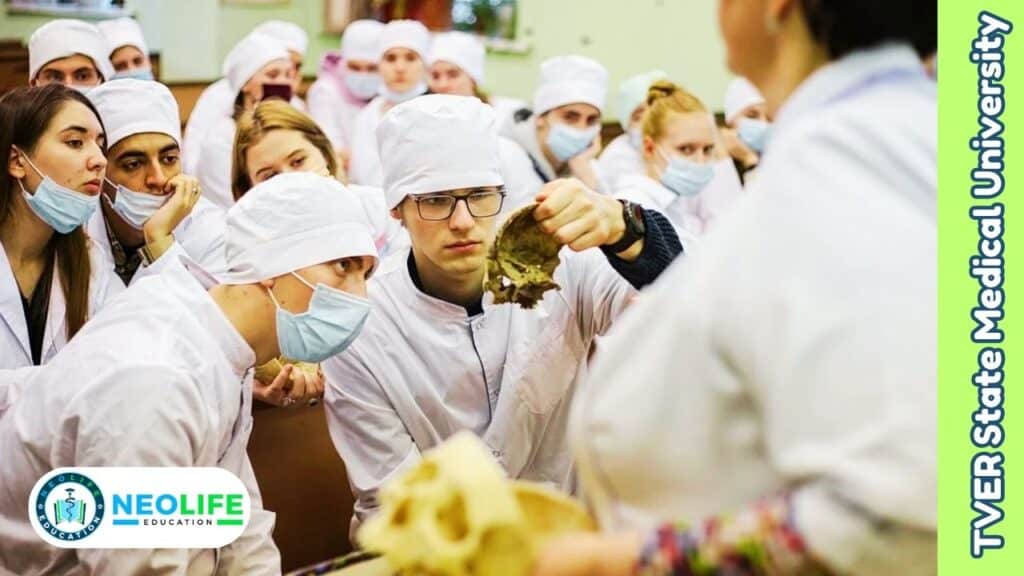
One of Tver State Medical University’s most significant infrastructure investments is its medical simulation centre. This facility allows students to work with human cadavers and use the latest simulation tools — mannequins, procedure trainers, clinical scenario software, and emergency simulation equipment — in a controlled, consequence-free environment before they encounter equivalent situations with real patients in hospital settings. The simulation centre is widely cited by TSMU alumni as one of the most impactful elements of their clinical preparation, and it directly contributes to the confidence and competence with which TSMU graduates approach FMGE practical examinations and real clinical practice.
Cost of MBBS in Russia at Tver State Medical University – Full Fee Structure 2025-26
One of the most searched questions by Indian families researching MBBS abroad is about the cost of MBBS in Russia. At Tver State Medical University, the fee structure is transparent, fixed, and represents genuine value when benchmarked against both Indian private medical colleges and other Russian medical universities. Here is the complete fee breakdown.
Annual Tuition and Hostel Fees at Tver State Medical University
| Fee Component | Annual Amount (RUB) | Indicative INR* |
|---|---|---|
| Tuition Fee – MBBS / General Medicine | 4,30,000 RUB | ~₹4.30 Lakhs |
| Hostel / Dormitory Accommodation Fee | 80,000 RUB | ~₹80,000 |
| Total Annual Cost (Tuition + Hostel) | 5,10,000 RUB | ~₹5.10 Lakhs |
*INR equivalents are indicative, based on approximate exchange rates. Actual INR amounts will vary with the prevailing RUB–INR exchange rate at the time of payment. Students are advised to verify current rates with their bank or a forex provider before planning finances.
Year-Wise 6-Year Total Fee Projection – MBBS Degree from Russia at TSMU
| Academic Year | Tuition Fee (RUB) | Hostel Fee (RUB) | Annual Total (RUB) | Cumulative Total (RUB) |
|---|---|---|---|---|
| Year 1 | 4,30,000 | 80,000 | 5,10,000 | 5,10,000 |
| Year 2 | 4,30,000 | 80,000 | 5,10,000 | 10,20,000 |
| Year 3 | 4,30,000 | 80,000 | 5,10,000 | 15,30,000 |
| Year 4 | 4,30,000 | 80,000 | 5,10,000 | 20,40,000 |
| Year 5 | 4,30,000 | 80,000 | 5,10,000 | 25,50,000 |
| Year 6 | 4,30,000 | 80,000 | 5,10,000 | 30,60,000 |
| 6-YEAR TOTAL | 25,80,000 | 4,80,000 | 30,60,000 | 30,60,000 |
No capitation fee. No donation. No hidden charges. The cost of MBBS in Russia at Tver State Medical University is fixed, transparent, and inclusive. When compared to Indian private medical colleges where total fees routinely exceed ₹60–100 lakh for the same degree — often without the same quality of clinical infrastructure, international exposure, or global recognition — the total 6-year investment at TSMU represents a genuinely transformative financial proposition for Indian families.
Additional Living Expenses to Budget For
Beyond the official tuition and hostel fees, Indian students at Tver State Medical University should budget for the following approximate additional costs:
- Food and groceries: 8,000 – 15,000 RUB per month (Indian food available at campus cafeteria and local markets; self-cooking possible in hostel kitchens)
- Personal expenses, local transport, and leisure: 4,000 – 8,000 RUB per month
- Medical insurance (mandatory for Russian student visa): 5,000 – 8,000 RUB per year
- Study materials, textbooks, and stationery: 4,000 – 7,000 RUB per year
- One-time visa and immigration documentation fees: approximately 8,000 – 15,000 RUB
- Return airfare India–Tver (via Moscow, approximately 170 km): ₹25,000 – ₹50,000 per trip
Even with all living costs factored in, the total annual expenditure for an Indian student at Tver State Medical University Russia remains a fraction of what Indian private medical colleges charge for the same MBBS degree. Tver’s proximity to Moscow (approximately 170 km, about 2 hours by high-speed Sapsan train) also keeps travel costs low and connectivity to international flights highly convenient.
MBBS Degree from Russia at Tver State Medical University – Programme Structure
The MBBS (General Medicine) programme at Tver State Medical University is a 6-year integrated course — 5 years of academic and clinical study, followed by 1 year of mandatory practical internship. The International Education Division at TSMU delivers the full programme in English for international students, with structured Russian language training embedded in Year 1 to facilitate clinical communication during hospital rotations.
Year-Wise MBBS Curriculum at Tver State Medical University
| Year | Core Subjects and Training Focus |
|---|---|
| Year 1 | Human Anatomy, Medical Biology, Histology & Embryology, Biochemistry (Introductory), Medical Latin, Preparatory Russian Language Course, Physical Education |
| Year 2 | Normal Physiology, Advanced Biochemistry, Microbiology, Virology, Pathological Anatomy, Introduction to Clinical Medicine, Russian Language (Intermediate) |
| Year 3 | Pathophysiology, Pharmacology, Propedeutics of Internal Diseases, General Surgery (Propedeutics), Hygiene & Epidemiology, Russian Language (Clinical) – Hospital placements begin |
| Year 4 | Internal Medicine, General Surgery, Obstetrics & Gynaecology, Neurology, ENT Diseases, Ophthalmology, Psychiatry, Dermatovenereology – Advanced hospital rotations |
| Year 5 | Advanced Clinical Rotations across Internal Medicine, Surgery, Paediatrics, Infectious Diseases, Oncology, Emergency Medicine, Forensic Medicine, Community Medicine |
| Year 6 | Polyclinic Therapy, Polyclinic Surgery, Social Hygiene, Medical Rehabilitation, Anaesthesiology, Elective Specialties, State Final Examination (OSCE + Written) |
The curriculum at TSMU is meticulously structured to align with the requirements of the NMC of India, the Russian Ministry of Health, and international medical licensing examinations including FMGE/NExT, USMLE, and PLAB. The pre-clinical phase (Years 1–2) builds the biomedical science foundation; the para-clinical transition phase (Year 3) introduces pharmacology, pathology, and first patient contact; the clinical phase (Years 4–5) provides intensive hospital-based training; Year 6 consolidates through advanced rotations and the state examination; and the mandatory internship completes the journey from student to practice-ready doctor.
The five academic years are divided into ten semesters of structured teaching, and the programme includes 56 departments — meaning students are taught by specialists in every medical sub-discipline. The breadth of TSMU’s departmental coverage is one of the most frequently cited advantages by Indian alumni: they are exposed to specialist expertise across every medical domain rather than a small faculty teaching multiple unrelated subjects.
Recognition and Accreditation of Tver State Medical University
For Indian students, the recognition framework of any Russia medical university is the most important factor in evaluating whether six years of study and significant financial investment will result in a valid, practice-enabling medical career. Tver State Medical University holds one of the most comprehensive recognition profiles of any Russian medical institution:
| Regulatory / Accreditation Body | Recognition Status |
|---|---|
| National Medical Commission (NMC), India | ✅ Fully Recognised – FMGE/NExT eligible |
| World Health Organization (WHO) | ✅ Listed in World Directory of Medical Schools |
| Ministry of Health, Russian Federation | ✅ State-Accredited Medical University |
| Ministry of Education and Science, Russia | ✅ Fully Accredited – Degree legally valid |
| ECFMG (Educational Commission for Foreign Medical Graduates, USA) | ✅ Recognised – USMLE pathway available |
| FAIMER (Foundation for Advancement of International Medical Education) | ✅ Listed and Recognised |
| WDOMS (World Directory of Medical Schools) | ✅ Listed |
| Medical Council of Canada | ✅ Degree recognised |
| Medical Council of Australia (AMC) | ✅ Recognised – pathway available |
| Gulf Medical Councils (UAE, Saudi, Qatar, Bahrain, Kuwait) | ✅ Degree accepted subject to local licensing |
| General Medical Council (GMC), UK – PLAB pathway | ✅ Eligible |
This eleven-body recognition framework gives Tver State Medical University graduates an MBBS degree from Russia that is genuinely portable — valid for medical practice across India, North America, Europe, Australia, and the Gulf. Graduates can pursue FMGE/NExT for India, USMLE for USA, PLAB for UK, AMC for Australia, or Gulf licensing examinations — all from a single TSMU degree. This breadth of options is one of the most powerful arguments for choosing TSMU as the destination for an MBBS degree from Russia.
About Tver City – Where You Will Study, Live, and Grow
The city where a student spends six years of medical education becomes, in a very real sense, their second home. Tver is a city that consistently surprises Indian students positively — offering more comfort, more connectivity, more safety, and more cultural engagement than most expect from a mid-sized Russian city.
Tver City – Location and Overview
Tver is a historic Russian city and the administrative capital of Tver Oblast, located on the Volga River approximately 170 kilometres north-west of Moscow. With a population of approximately 400,000–450,000 residents, Tver is a mid-sized city — large enough to have comprehensive amenities including shopping malls, restaurants, supermarkets, hospitals, banks, sports facilities, theatres, and excellent public transport, but compact enough to be genuinely walkable and easy to navigate. The city sits at the confluence of the Volga, Tverka, and Tmaka rivers, giving it a pleasant riverine character with parks, riverside promenades, and green spaces that make it particularly appealing during spring and summer. Tver is also one of Russia’s oldest cities, with a history stretching back to the 12th century, and its well-preserved historical architecture adds considerable aesthetic charm to the student experience.
Tver’s Strategic Advantage – 170 km from Moscow
For Indian students, one of the most practically significant advantages of Tver State University’s location is its proximity to Moscow. At just 170 km — approximately 2 hours by the high-speed Sapsan train — Tver gives students direct, easy access to Moscow’s international airport for flights home during semester breaks and holidays. The Moscow connection also means Tver students can access the full range of cultural, commercial, and recreational offerings of one of Europe’s largest cities on weekends. This combination of a safe, affordable, student-friendly city in Tver and easy access to Moscow is one of the strongest location advantages of any Russia medical university.
Safety in Tver for Indian Students
Safety is the first question every Indian parent asks about any city where their child will be living alone for six years. Tver is consistently described by its Indian student community as safe, welcoming, and internationally comfortable. The university campus is equipped with 24-hour police protection and CCTV surveillance — not as marketing language but as an active, operational security commitment. The city’s law enforcement is effective, the civic environment is orderly, and the cultural attitude towards international students in Tver is positive and accommodating. Indian students at TSMU consistently report feeling safe both on campus and in the wider city — including during evening outings, weekend activities, and the daily commute between hostel and university buildings.
Climate in Tver – Managing the Russian Winter
Tver experiences a continental climate with cold, snowy winters and warm summers. Winter temperatures range from -5°C to -20°C, which requires adaptation for most Indian students who are accustomed to warmer climates. However, the university and all hostel buildings are equipped with powerful central heating systems regulated by municipal heating infrastructure — a structural feature of all Russian universities that makes indoor life comfortable regardless of outdoor temperatures. The university is also centrally heated, ensuring that lecture halls, laboratories, and clinical training spaces are warm and functional throughout the academic year. Students invest in appropriate winter clothing — thermal layers, a good winter coat, and insulated boots — and typically adapt within their first winter semester. Summers in Tver are warm and pleasant, with temperatures reaching 20–25°C, and the city is particularly beautiful during the summer months.
Indian Community, Food, and Cultural Life in Tver
Tver has a well-established Indian student community at Tver State Medical University, with hundreds of Indian students enrolled across different years of the MBBS programme. This community maintains an active student association that celebrates Indian festivals — Diwali, Holi, Baisakhi, Independence Day, and Republic Day — creating meaningful cultural continuity for students living away from home. The university cafeteria specifically serves Indian cuisine alongside other food options — a practical acknowledgement of the large Indian student population. Indian grocery items are available at local supermarkets, and the hostel kitchens allow self-cooking for students who prefer home-style Indian food. The presence of a large, active Indian student community in Tver is one of the most important pastoral support factors for newly arriving students, providing peer mentoring, practical guidance, and a genuine sense of belonging from day one.
Campus Infrastructure at Tver State Medical University
The campus infrastructure at Tver State Medical University is built to support intensive, multi-disciplinary medical education across 56 departments and all phases of the MBBS programme. TSMU has invested continuously in modernising and expanding its physical infrastructure, and today its campus facilities are comparable to those of leading medical institutions internationally.
Teaching Complexes – Purpose-Built for Medical Education
Tver State Medical University operates a complex of purpose-built buildings for practical classes, lectures, laboratory studies, and research work. The teaching infrastructure includes large lecture theatres for cohort-wide didactic teaching, seminar rooms for small-group tutorials, dedicated laboratories for every biomedical science discipline, and auxiliary service spaces that support the full range of academic activities. With 56 departments, there is deep specialist infrastructure for every medical subject — students are taught pharmacology in dedicated pharmacology labs, microbiology in microbiology labs, and anatomy in anatomy theatres equipped to world standards.
Medical Simulation Centre – Clinical Skills Before the Hospital
The medical simulation centre at Tver State Medical University is one of its most talked-about facilities among Indian alumni. The centre allows students to work with human cadavers for anatomy and surgical training, and to practise clinical procedures on high-fidelity patient simulators before they encounter equivalent situations with real patients. Emergency medicine simulations, surgical procedure training, clinical examination techniques, and diagnostic skill practice are all conducted in this controlled environment. The result is that students who enter hospital rotations from Year 3 are clinically prepared — they have already practised the fundamental procedures they will need to perform, significantly reducing both the anxiety and the error rates of early clinical work.
Ten Hospitals and 6,000 Beds – Unmatched Clinical Infrastructure
Perhaps the most extraordinary aspect of Tver State Medical University’s infrastructure is its clinical network. The university runs ten hospitals specialised across oncology, infectious diseases, sexually transmitted diseases, tuberculosis, dermatology, and other major clinical domains — with a combined bed capacity of 6,000. This means MBBS students at TSMU are exposed to a diversity and volume of clinical presentations during their training that is simply not available at most other Russian medical universities. Real patients with real diseases across a full spectrum of clinical complexity — managed by specialist consultant physicians and surgeons under whose direct supervision TSMU students train. This clinical richness is a defining advantage of the TSMU MBBS experience.
Library – Largest Medical Library in the Tver Region
Tver State Medical University operates the largest medical library in the Tver region — a resource established in 1936 and now holding more than 6,100 volumes of medical texts, journals, research papers, clinical atlases, and reference materials. The library is supplemented by digital academic databases and e-learning platforms that provide students with access to current international medical literature throughout their studies. This library infrastructure is particularly valuable for FMGE/NExT preparation, as Indian students can access reference materials that parallel the Indian medical licensing examination syllabus alongside their regular curriculum.
Sports Complex and Extracurricular Facilities
Physical wellbeing is recognised as essential to academic performance at Tver State Medical University. The university sports club organises competitions and activities across tennis, cricket, football, basketball, badminton, and athletics throughout the academic year. These are not token provisions — they are structured programmes that reflect TSMU’s commitment to developing well-rounded medical professionals, not just academically proficient ones. Sports participation is embedded into the curriculum as a mandatory component, ensuring every student maintains physical fitness alongside their studies. The sports complex provides adequate facilities for both casual recreational exercise and competitive inter-university sporting engagement.
Hostel Facilities at Tver State Medical University – Accommodation for Indian Students
Accommodation quality is one of the first practical concerns for Indian families before a student departs for MBBS in Russia. Tver State Medical University provides four dedicated hostel buildings that collectively accommodate approximately 1,800 students — including a specific allocation for international and Indian students.
TSMU Hostel – Features and Amenities
- Annual hostel fee: 80,000 RUB – inclusive of all basic accommodation amenities
- Four hostel buildings with capacity for approximately 1,800 students (1,544+ international students accommodated)
- Rooms designed for 3 students (one-room apartments) or 5 students (two-room apartments) – promoting peer community and cost efficiency
- All rooms have attached bathrooms / washrooms – a significant comfort advantage over many foreign universities
- Full central heating in all hostel buildings, regulated by municipal heating systems with 24/7 hot water supply
- CCTV cameras operating 24 hours across all hostel premises; police officials also protect the university campus
- Wi-Fi internet connectivity throughout all hostel buildings
- Common kitchen facilities for self-cooking including Indian food preparation
- Cafeteria on campus serving Indian cuisine alongside Russian and international food options
- Laundry facilities on-site
- Common rooms for socialising, group study, and student community activities
- Sports facilities accessible to hostel residents – gym, indoor courts, outdoor sports areas
- Indian student association active in all hostel buildings – organises Diwali, Holi, Baisakhi, and other cultural celebrations
The four hostel buildings at Tver State Medical University are consistently described by Indian students as comfortable, secure, and genuinely liveable — particularly in the context of what students have to pay. The attached washrooms, 24-hour central heating, CCTV security, campus police presence, Indian food at the cafeteria, and self-cooking facilities collectively create a hostel environment that is significantly more comfortable than many Indian students expect from Russia. The overall student satisfaction with TSMU’s hostel infrastructure is high, and many alumni specifically cite the quality of hostel life as one of the positive surprises of their MBBS experience in Tver.
Admission Process – MBBS at Tver State Medical University for Indian Students
The admission process at Tver State Medical University for Indian students is designed to be straightforward, transparent, and quick. Applications are merit-based, with no separate university entrance examination required in most cases. TSMU offers both an entrance examination option and an online interview option for evaluating international applicants.
Eligibility Criteria for Indian Students – MBBS at TSMU
- Age: Minimum 17 years and maximum 25 years as of 31st December of the admission year
- Academic Qualification: Completion of 10+2 (Class XII) with Physics, Chemistry, and Biology as mandatory subjects
- Minimum Marks: 50% aggregate in Physics, Chemistry, and Biology for General category; 40% for SC/ST/OBC categories (as per NMC norms)
- NEET: A valid NEET-UG qualification is mandatory for all Indian students seeking MBBS abroad per NMC Screening Test Regulations
- Medical Fitness: Certificate from a registered medical practitioner confirming fitness for medical study abroad
- Valid Indian Passport: Minimum 18 months validity from anticipated date of travel
- Financial Requirement: Russian Ministry of Education requires evidence of funds in a Russian bank account – Eklavya Overseas and authorised consultants assist with this
Step-by-Step Admission Process at Tver State Medical University
| Step | Action Required | Timeline |
|---|---|---|
| Step 1 | Visit official TSMU website or contact authorised representative; download and fill admission form correctly | From May 1 |
| Step 2 | Upload / submit scanned copies of all required academic and personal documents | May – July 18 |
| Step 3 | Wait 3–4 working days for document verification; receive official Admission / Offer Letter via registered email | Within 1 week of submission |
| Step 4 | Pay first-year tuition and hostel fees to confirm and secure the academic seat | After receiving offer letter |
| Step 5 | Apply for Russian student visa at Russian Embassy or Consulate in India using Admission Letter and paid fee receipt | After fee payment |
| Step 6 | Inform university of planned arrival date in Russia; arrange travel, forex, winter clothing, and medical insurance | 2–3 weeks before departure |
| Step 7 | Arrive in Tver and complete mandatory migration registration within 7 days of arrival | September |
| Step 8 | Attend university orientation and commence MBBS programme at Tver State Medical University | September – October |
Important: Applications for MBBS in Russia at TSMU open May 1 and close July 18 each year. Students who miss this window may miss the September primary intake entirely. It is strongly recommended to begin preparing documents and engaging with an authorised representative no later than April to ensure a smooth, timely application process.
Documents Required for Admission at Tver State Medical University
- Class 10 (SSC) mark sheet and passing certificate – original and MEA-attested copy
- Class 12 (HSC) mark sheet with PCB subjects – original and MEA-attested copy
- NEET-UG scorecard (valid year, qualifying score as per NMC norms)
- Valid Indian passport – original (minimum 18 months validity from travel date)
- Passport-size photographs – 3–4 copies in specified dimensions
- Certificate of medical fitness from a registered medical practitioner
- Statement of purpose (SOP) for MBBS application
- Valid national ID card
- HIV test result (negative) from a certified diagnostic laboratory
- Birth certificate (proof of date of birth)
- Completed and signed TSMU admission application form
- Proof of funds / bank statement (as required by Russian Ministry of Education)
All documents must be notarised and any documents in regional Indian languages must be accompanied by a certified English translation. Students are advised to prepare complete, properly attested document sets well in advance of the July 18 application deadline.
FMGE and NExT Preparation – How Tver State Medical University Prepares Indian Students
The FMGE (Foreign Medical Graduate Examination), now transitioning to NExT (National Exit Test), is the mandatory screening that all Indian students who earn an MBBS degree from Russia must clear to practise medicine in India. With a national FMGE pass rate below 20% across all foreign graduates, the academic preparation quality of a university is the decisive factor in whether its graduates succeed in this critical examination.
Tver State Medical University’s FMGE success rates are above the national average for foreign graduates — a fact that reflects concrete institutional strengths:
- Comprehensive English-medium curriculum covering all FMGE/NExT examination domains: Internal Medicine, Surgery, Obstetrics, Paediatrics, Preventive Medicine, Psychiatry, ENT, Ophthalmology, Dermatology, and all major specialties across 56 departments
- Clinical exposure from Year 3 across 10 hospitals and 6,000 beds builds the applied diagnostic reasoning that FMGE/NExT specifically tests, not factual recall alone
- Simulation centre training builds practical clinical skill and examination confidence before students encounter real examination scenarios
- Medical students at TSMU are eligible to enrol for USMLE (USA), MMA (Australia/AMC), and FMGE/NExT (India) alongside their regular curriculum – preparing them for multiple licensing examination pathways simultaneously
- The largest medical library in the Tver region provides examination preparation resources directly aligned with FMGE/NExT subject domains
- Indian student community at TSMU maintains active FMGE study groups, mock examination sessions, and peer learning networks that provide structured supplementary preparation throughout the six-year academic programme
- Mandatory 1-year clinical internship post-sixth-year provides crucial practical consolidation before students sit FMGE/NExT – significantly strengthening subject retention and clinical confidence
Scholarships at Tver State Medical University for Indian Students
Tver State Medical University offers scholarships to students who demonstrate academic merit during their studies. The State Academic Scholarship is awarded to full-time students who score ‘Good’ or ‘Excellent’ in their most recent semester evaluations — a merit-based incentive that rewards consistent academic performance with a reduction in subsequent fees. Students who maintain outstanding academic records across multiple semesters may become eligible for progressive scholarship levels.
The Russian Government also offers scholarships through Rossotrudnichestvo — the Federal Agency for CIS Affairs, Compatriots Living Abroad, and International Humanitarian Cooperation — for exceptional international students. These government scholarships may partially or fully cover tuition fees for qualifying candidates and are available through official Indian government channels in coordination with the Russian Embassy.
Additionally, Tver State Medical University provides financial assistance through educational loans facilitated by partner institutions, helping students from financially constrained backgrounds bridge funding gaps without compromising on the quality of their medical education. Indian students are encouraged to engage with their counsellors and the TSMU international admissions office early to explore all scholarship and financial assistance options relevant to their academic profile.
Tver State Medical University vs Other MBBS Options – How It Compares
| Parameter | Tver State Medical University | Avg. Russia Medical Univ. | Indian Private MBBS College |
|---|---|---|---|
| Established | 1902 (120+ years) | 1930s–1990s | Varies |
| National Ranking | Top 50 | No. 1 in Tver Region | Varies | N/A |
| Annual Tuition Fee | 4,30,000 RUB | 3.5–7 Lakh RUB | ₹10–25 Lakhs+ |
| Annual Hostel Fee | 80,000 RUB | 25,000–1,00,000 RUB | ₹1–3 Lakhs |
| 6-Year Total (Tuition + Hostel) | 30,60,000 RUB | Varies widely | ₹60–150 Lakhs+ |
| NMC Recognition | ✅ Yes – Confirmed | Varies – verify | ✅ Yes |
| WHO Recognition | ✅ Yes | Varies | N/A |
| ECFMG / FAIMER Recognition | ✅ Yes – Both | Varies | N/A |
| Affiliated Hospitals | 10 hospitals | 6,000 beds | 1–5 hospitals typically | 1 attached teaching hospital |
| Simulation Centre | ✅ Full cadaveric + hi-fi simulation | Varies | Varies |
| Library (Medical) | Largest in Tver region | 6,100+ volumes | Varies | Varies |
| English Medium | ✅ Full programme (pioneered in Russia) | Partial in many | ✅ Yes |
| Indian Community | Hundreds of Indian students | Varies | N/A |
| Distance from Moscow | 170 km – 2 hours by train | Varies widely | N/A |
| FMGE Success Rate | Above national average | Below average | N/A |
Frequently Asked Questions – MBBS at Tver State Medical University Russia
Q1. What is Tver State Medical University?
Tver State Medical University (TSMU / TverSMU), also referred to as Tver State University, is one of Russia’s oldest and most recognised medical institutions, established in 1902. Located in Tver, 170 km from Moscow, it is a public government university governed by the Russian Ministry of Health and Education. It offers MBBS and other medical programmes in English, has 56 departments, 400+ faculty, 10 affiliated hospitals with 6,000 beds, and serves 5,000+ students from 57+ countries.
Q2. What is the cost of MBBS in Russia at Tver State Medical University?
The cost of MBBS in Russia at Tver State Medical University is 4,30,000 RUB per year for tuition and 80,000 RUB per year for hostel accommodation. The total 6-year cost including hostel is 30,60,000 RUB. No capitation or donation fees are charged at any stage of the admission process.
Q3. Is Tver State Medical University recognised by NMC India?
Yes. Tver State Medical University is fully recognised by the National Medical Commission (NMC) of India, the World Health Organization (WHO), ECFMG (USA), FAIMER, WDOMS, the Russian Ministry of Health, and medical councils of Canada, Australia, and multiple Gulf countries. Indian graduates are eligible to appear for FMGE/NExT and practise medicine in India upon qualifying.
Q4. Can Indian students get an MBBS degree from Russia at Tver State Medical University?
Yes. Indian students can earn a globally recognised MBBS degree from Russia at Tver State Medical University. The programme is 6 years in English medium, accredited by NMC and WHO, and prepares graduates for FMGE/NExT in India, USMLE in the USA, PLAB in the UK, and AMC in Australia. TSMU was the first Russian university to teach MBBS in English.
Q5. What is the MBBS duration at Tver State Medical University?
The MBBS programme at Tver State Medical University is 6 years — 5 years of academic and clinical study plus a mandatory 1-year clinical internship. Clinical training begins from Year 3 across TSMU’s 10 affiliated hospitals with 6,000 beds.
Q6. Is NEET mandatory for MBBS at Tver State Medical University Russia?
Yes. As per NMC India regulations, all Indian students seeking MBBS in Russia — including at Tver State Medical University — must hold a valid NEET-UG qualification. Applications open May 1 and close July 18 each year. No IELTS or TOEFL is required.
Q7. Is Tver a safe city for Indian students?
Yes. Tver is a mid-sized Russian city with consistently low crime rates, 24-hour campus police protection, CCTV surveillance, and a welcoming attitude towards international students. Its proximity to Moscow (170 km) provides easy access to international connectivity. Indian students at TSMU consistently rate Tver as safe, accessible, and student-friendly.
Q8. What hostel facilities are available at Tver State Medical University?
TSMU provides four hostel buildings accommodating approximately 1,800 students at 80,000 RUB per year. Rooms include attached washrooms, full central heating, 24-hour CCTV security, campus police protection, Wi-Fi, kitchen facilities for Indian cooking, and a campus cafeteria serving Indian food. One-room apartments for 3 and two-room apartments for 5 students are available.
Q9. What recognition does Tver State Medical University have globally?
Tver State Medical University holds recognition from NMC India, WHO, ECFMG (USA), FAIMER, WDOMS, the Russian Ministry of Health and Education, Medical Council of Canada, AMC (Australia), and Gulf medical councils. It was also awarded the Prestigious Nations Friendship National Award for international education. Its MBBS degree from Russia is one of the most globally portable medical qualifications available.
Q10. What is the ranking of Tver State Medical University?
Tver State Medical University is ranked among the top 50 medical universities in Russia and holds the No. 1 position in the Tver region. National rankings place it between 250–312 in Russia; global rankings range from 6,866 to 9,488 depending on the platform (uniRank 2025: 250 Russia / 6,866 global; EduRank 2024: 312 Russia / 9,488 global; Ad Scientific Index 2025: 353 Russia / 2,924 Europe). It consistently ranks among the best Russia medical universities for Indian students.
Start Your Journey – MBBS at Tver State Medical University, Russia
If you are a NEET-qualified Indian student who is serious about becoming a doctor — and is looking for a 120-year legacy Russia medical university with comprehensive global recognition, English-medium instruction, 10 hospitals and 6,000 beds for clinical training, a state-of-the-art simulation centre, India’s pioneer English-medium MBBS programme, an above-average FMGE success rate, and a safe, affordable, Moscow-connected city environment — Tver State Medical University is the university you have been looking for.
At 4,30,000 RUB annual tuition and 80,000 RUB annual hostel fee, your MBBS degree from Russia at TSMU will cost approximately 30,60,000 RUB over six years — a fraction of what Indian private medical colleges charge, and a credential that opens doors across India, the USA, UK, Australia, and the Gulf. Do not let a missed government seat be the end of your medical dream. Let Tver State Medical University be the beginning of something genuinely great.